March 25, 2026
Mini split systems provide an efficient solution for heating and cooling homes. Regular maintenance is crucial to keeping these systems running smoothly and extending their lifespan. Proper care not only ensures optimal performance but also helps reduce energy costs and prevent unexpected breakdowns. In this guide, we'll walk through how to maintain your mini split system for long-term performance, offering practical tips and professional insights to maximize efficiency year-round. By understanding the system’s components and following routine upkeep steps, homeowners can keep their mini splits operating reliably in any season.
Understand the Key Components of Your Mini Split System
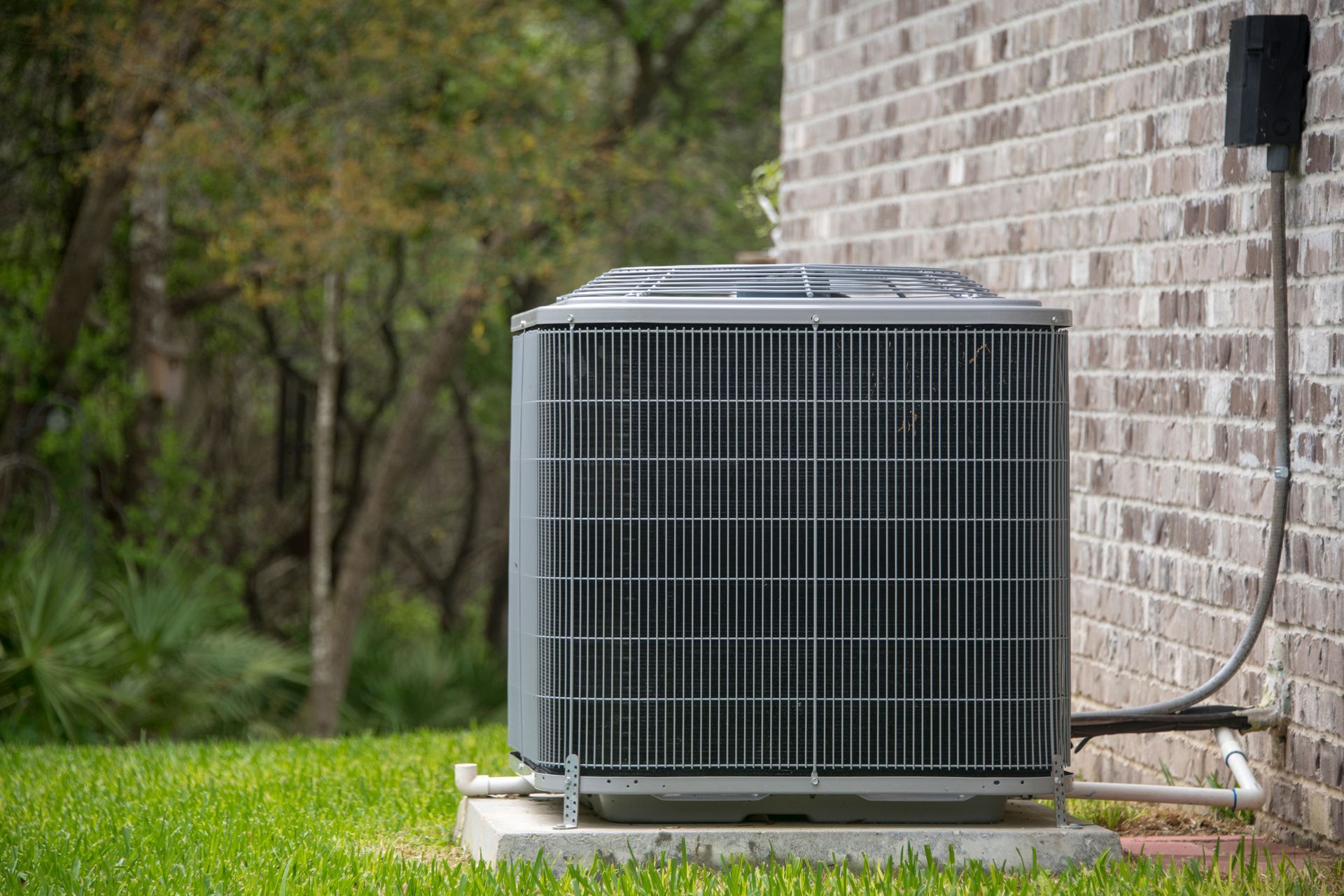
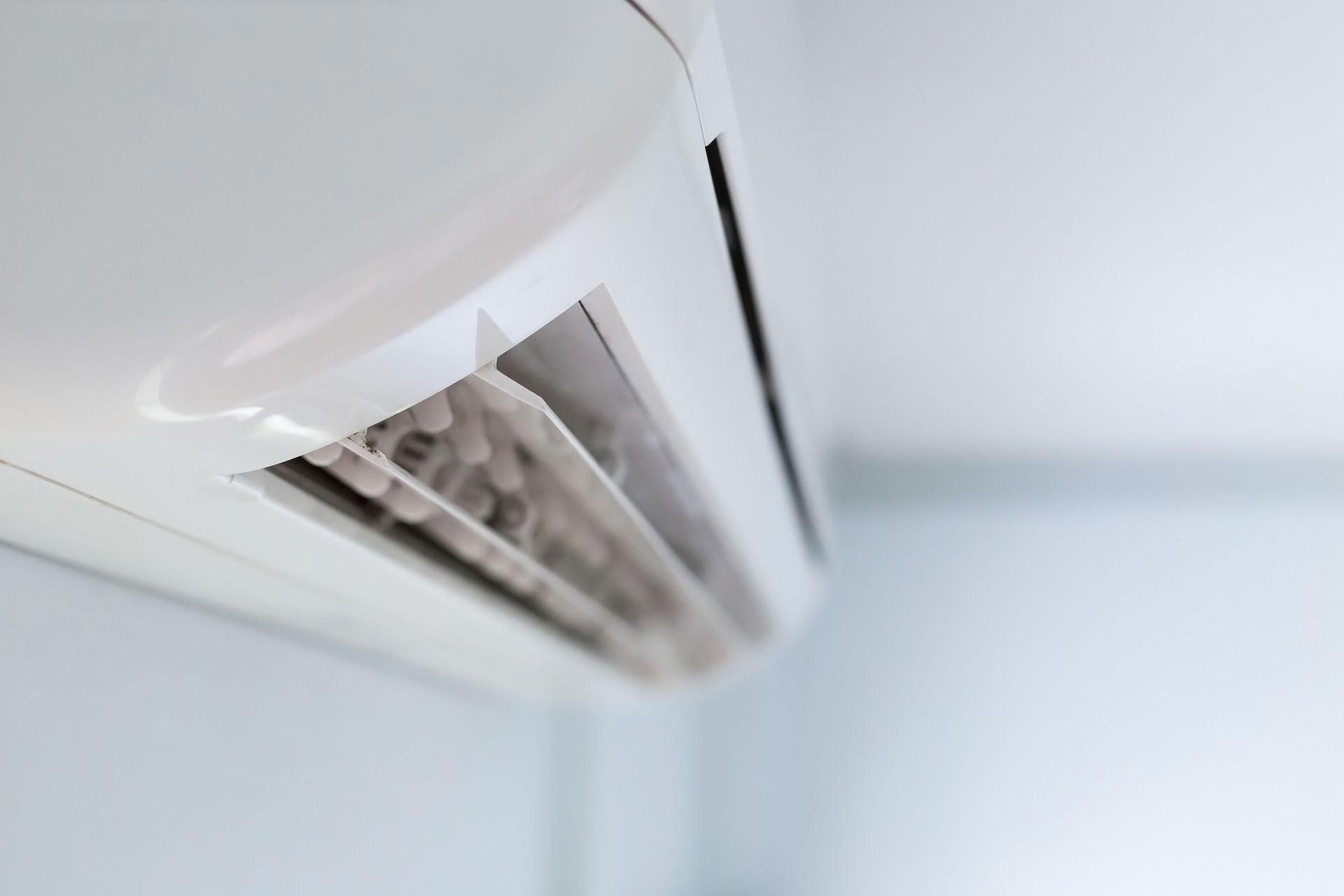
A mini split system consists of several components that work together to deliver heating and cooling. The indoor unit contains the evaporator coil, which absorbs heat from the indoor air, while the outdoor unit houses the condenser coil and compressor, releasing heat to the outside. Each part is vital to overall system performance, and regular inspection can prevent issues before they escalate. Recognizing the role of each component helps homeowners address problems early and ensures mini-split services remain effective.
Learn How Mini Splits Operate
Mini splits operate using refrigerant flow and heat transfer. The refrigerant cycles between indoor and outdoor units, absorbing heat from inside the home and releasing it outside. The compressor increases the refrigerant's temperature and pressure, enabling efficient heat exchange. Understanding this process can help homeowners identify performance issues and recognize when professional mini-split services may be necessary to restore optimal function.
Evaluate Energy Efficiency Ratings
Energy efficiency is a key factor when maintaining and selecting mini split systems. Two main ratings are essential: the Seasonal Energy Efficiency Ratio (SEER) for cooling performance and the Heating Seasonal Performance Factor (HSPF) for heating efficiency. Higher SEER and HSPF ratings indicate better energy use, which translates to lower utility bills and reduced environmental impact. Properly maintained systems maintain these efficiency levels and make mini-split services more cost-effective over time.
Use Common Features and Modes Effectively
Mini splits come with various modes to enhance comfort and efficiency. Dry mode reduces humidity without significant cooling, which is useful in damp climates. Fan mode circulates air without adjusting temperature, keeping airflow consistent. Sleep mode modifies temperatures for nighttime comfort and energy savings. Understanding and using these modes can improve comfort, energy efficiency, and overall performance, making mini-split services more beneficial.
Choose the Right Size Unit
Selecting the correct unit size ensures proper heating and cooling. Mini splits are rated in British Thermal Units (BTUs), indicating energy output. According to Consumer Reports, the mini-splits tested are all 12,000 Btu/hr, a standard capacity for many residential applications. A properly sized unit avoids overworking the system and prevents energy waste. Accurate sizing supports long-term efficiency and reduces the need for frequent mini-split services.
Perform Routine Cleaning and Inspection
Clean Air Filters
Air filters should be cleaned regularly to maintain airflow and indoor air quality. Clogged filters force the system to work harder, increasing energy consumption and wear. Remove filters carefully, brush or vacuum away debris, and wash with mild soap and water when necessary. Ensure filters are completely dry before reinserting them to prevent mold growth. Consistent filter care improves system efficiency and supports ongoing mini-split services.
Inspect Coils
Coils facilitate heat transfer and require regular attention. Dust accumulation on evaporator and condenser coils reduces system efficiency. Clean coils with a soft brush or coil cleaner while avoiding damage to delicate fins. Keeping coils clean maintains optimal heat exchange and prolongs the system’s life.
Check Refrigerant Levels
Refrigerant is essential for heating and cooling performance. Leaks can cause reduced efficiency and ice formation on coils. If you suspect a leak, contact professionals for service. Proper refrigerant management ensures consistent performance and is a core component of expert mini-split services.
Clear Drain Lines
Condensate lines remove moisture from the system. Blockages can cause water backup and damage. Regularly clean drain lines using a vinegar-and-water solution to prevent clogs. Clear lines protect the unit and maintain reliable operation, complementing routine mini-split services.
Inspect Electrical Connections
Loose electrical connections can cause power fluctuations and system failures. During maintenance, check all wiring, tighten connections, and look for signs of wear. Secure electrical setups improve safety and performance while reducing unexpected repairs.
Conduct Seasonal Maintenance Tasks
Spring Maintenance Checklist
Spring is ideal for preparing your mini split for warmer months. Clean filters and coils, inspect outdoor units for debris, and test cooling functionality. These steps help your system handle summer heat efficiently and reduce the need for emergency mini-split services.
Summer Efficiency Tips
During summer, maintain a comfortable temperature, use fan mode, and close blinds to reduce thermal load. Use zoning features to cool occupied areas only, conserving energy. These practices improve efficiency without sacrificing comfort.
Fall Maintenance Checklist
In fall, focus on heating readiness. Clean filters, inspect coils, and test heating functions. Ensure drains are clear to prevent moisture buildup. Proper fall maintenance readies your system for winter and extends the effectiveness of mini-split services.
Winterize Your Unit
Protect outdoor units from snow and ice using breathable covers. Keep the area around the unit free from obstructions. Clearing snow accumulation and maintaining level placement prevents damage and supports long-term system performance.
Replace Worn-Out Components
Air filters, capacitors, and fan motors experience wear over time. Monitor these components during inspections and replace them before failure occurs. Proactive replacement minimizes downtime and ensures mini-split services maintain peak efficiency.
Troubleshoot Common Issues
Address Insufficient Heating or Cooling
Clogged filters, low refrigerant, or leaks can reduce performance. Inspect and clean components regularly, and contact professionals when necessary to restore full system function.
Resolve Water Leaks From Indoor Units
Leaks often result from clogged or disconnected drain lines. Clean and reconnect lines as needed. Low refrigerant or restricted airflow can also cause frozen coils, leading to leaks. Timely intervention prevents damage and supports efficient mini-split services.
Fix Strange Noises or Vibrations
Loose parts or worn bearings may cause unusual sounds. Tighten, clean, and lubricate components to maintain smooth operation. Addressing these issues early prevents further damage.
Correct Remote or Display Problems
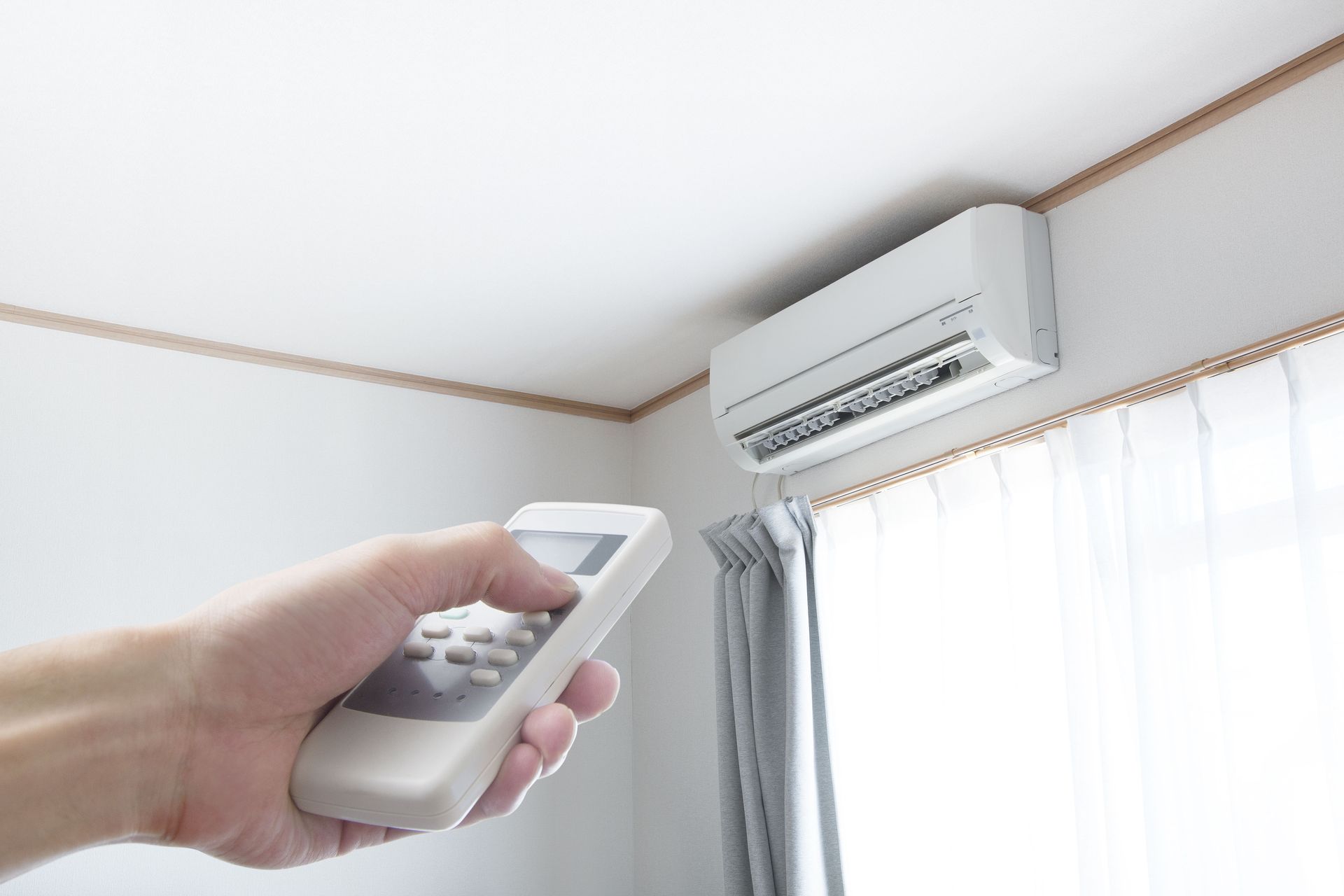
Replace remote batteries and ensure clear communication with the indoor unit. If problems persist, reset the system according to the manual or consult a professional.
Restore Power When System Won’t Turn On
Check power supply, breakers, and fuses. Inspect electrical connections and consult professionals if the unit still fails to operate. Prompt diagnosis prevents further system complications.
Call a Professional When Needed
Address Complex Electrical Problems
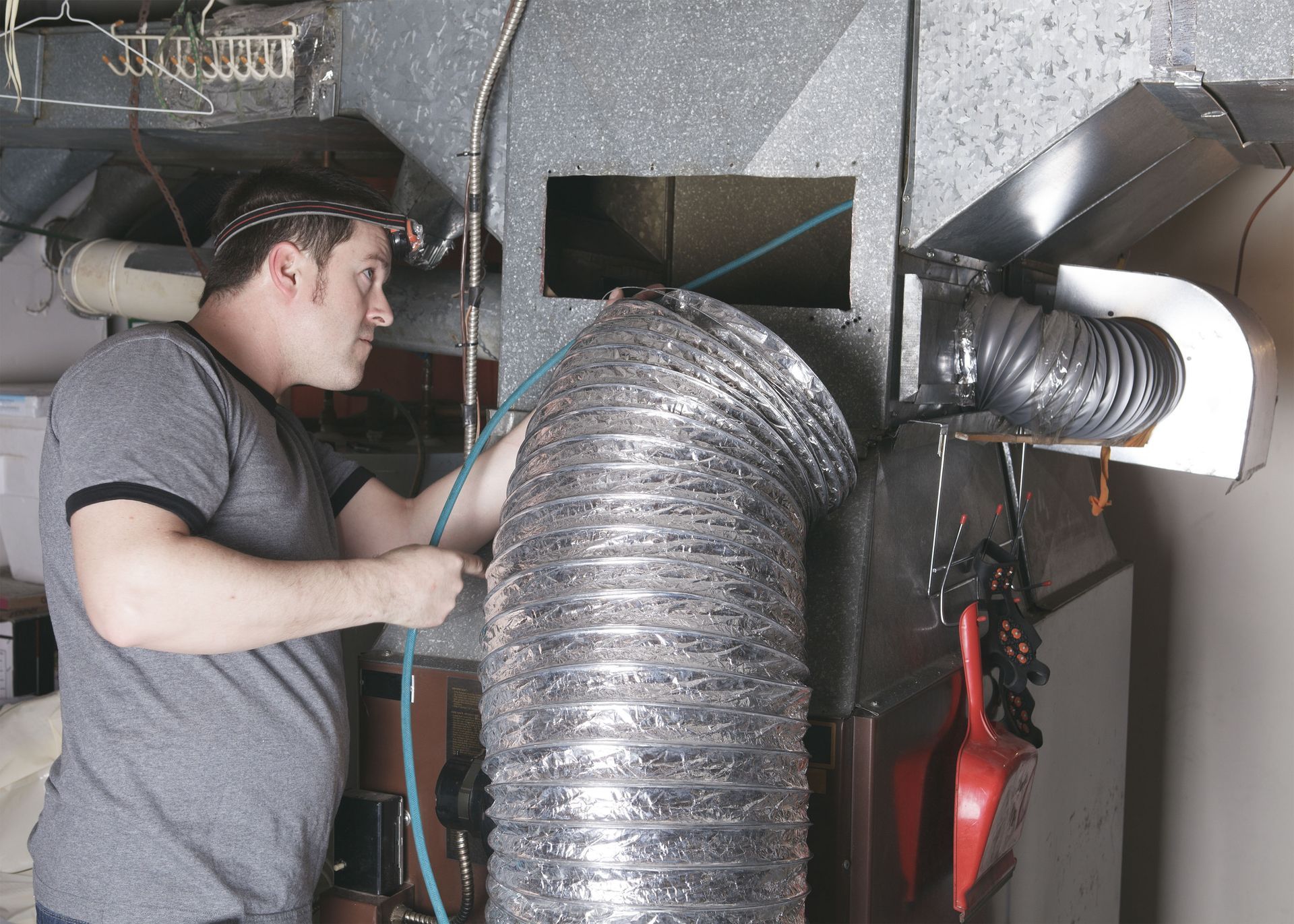
Electrical issues require trained professionals to avoid hazards. Certified technicians can safely handle repairs and preserve system reliability.
Manage Refrigerant Recharge and Leak Repairs
Handling refrigerants requires specialized tools and knowledge. Professionals can accurately repair leaks and recharge the system to ensure optimal performance.
Repair Major Mechanical Failures
Compressor or other mechanical failures demand expert attention. Professional diagnostics ensure accurate repairs and prevent recurring issues.
Conduct Advanced Diagnostics and Tuning
Specialized assessments allow technicians to calibrate and optimize systems for maximum efficiency. Professional tuning improves comfort and energy performance.
Schedule Regular Professional Maintenance
Routine professional maintenance, including seasonal inspections and tune-ups, prolongs mini split lifespan. Scheduling regular service ensures consistent operation and prevents unexpected breakdowns.
Enhance Energy Efficiency
Optimize Thermostat Settings
Avoid frequent temperature adjustments to reduce system strain. Smart thermostats further improve efficiency.
Use Zoning Features Effectively
Direct airflow to occupied areas to conserve energy and maintain comfort. Effective zoning enhances system efficiency while reducing unnecessary operation.
Install the Outdoor Unit Strategically
Place units in shaded, ventilated areas free of debris. Proper placement reduces wear and ensures consistent performance.
Incorporate Smart Home Technology
Connect your mini split to home automation for remote control and energy monitoring. Smart integration improves comfort and efficiency with minimal effort.
Upgrade System Components Regularly
Upgrading air filters, thermostats, and control boards improves performance and energy use. Regular updates extend system life and optimize mini-split services.
Maintaining your mini split system involves cleaning, inspections, and knowing when to call professionals. Regular upkeep improves efficiency, extends lifespan, and keeps your home comfortable year-round. For expert mini-split services and comprehensive HVAC care, we encourage reaching out to us at Service King LLC. Our team provides reliable maintenance and professional support to ensure your system operates at its best every season.