April 24, 2026
Choosing the right air conditioner is crucial for maintaining comfort, energy efficiency, and cost-effectiveness in your home. With a variety of options available, understanding key factors such as types, efficiency, and costs can significantly impact your decision. Not only does the right air conditioner regulate temperature, but it also affects your energy bills and environmental footprint. It's essential to balance immediate cooling needs with long-term benefits, ensuring your choice aligns with your home’s specific requirements. This guide will navigate through various aspects to help you make an informed choice for your ideal air conditioning system.
Assessing Your Home's Cooling Needs
Determining how much power you actually need is the first step in avoiding buyer's remorse. You don't want to get stuck with a unit that struggles to keep up on a humid afternoon, but you also don't want to pay for a massive system that cycles on and off every five minutes. This is where AC installations become a game of numbers. We usually look at British Thermal Units, or BTUs, to figure out that cooling capacity. A common rule of thumb is that you need to match your square footage to the unit's output to ensure the machine doesn't overwork itself. If you have an open floor plan with a lot of natural light, you might need to bump up that capacity slightly to compensate for the extra heat gain. Getting the right fit during AC installations ensures your home stays dry and cool without sending your electric bill into orbit or leaving the air feeling clammy and uncomfortable.
Comparing Central Air Versus Ductless Systems
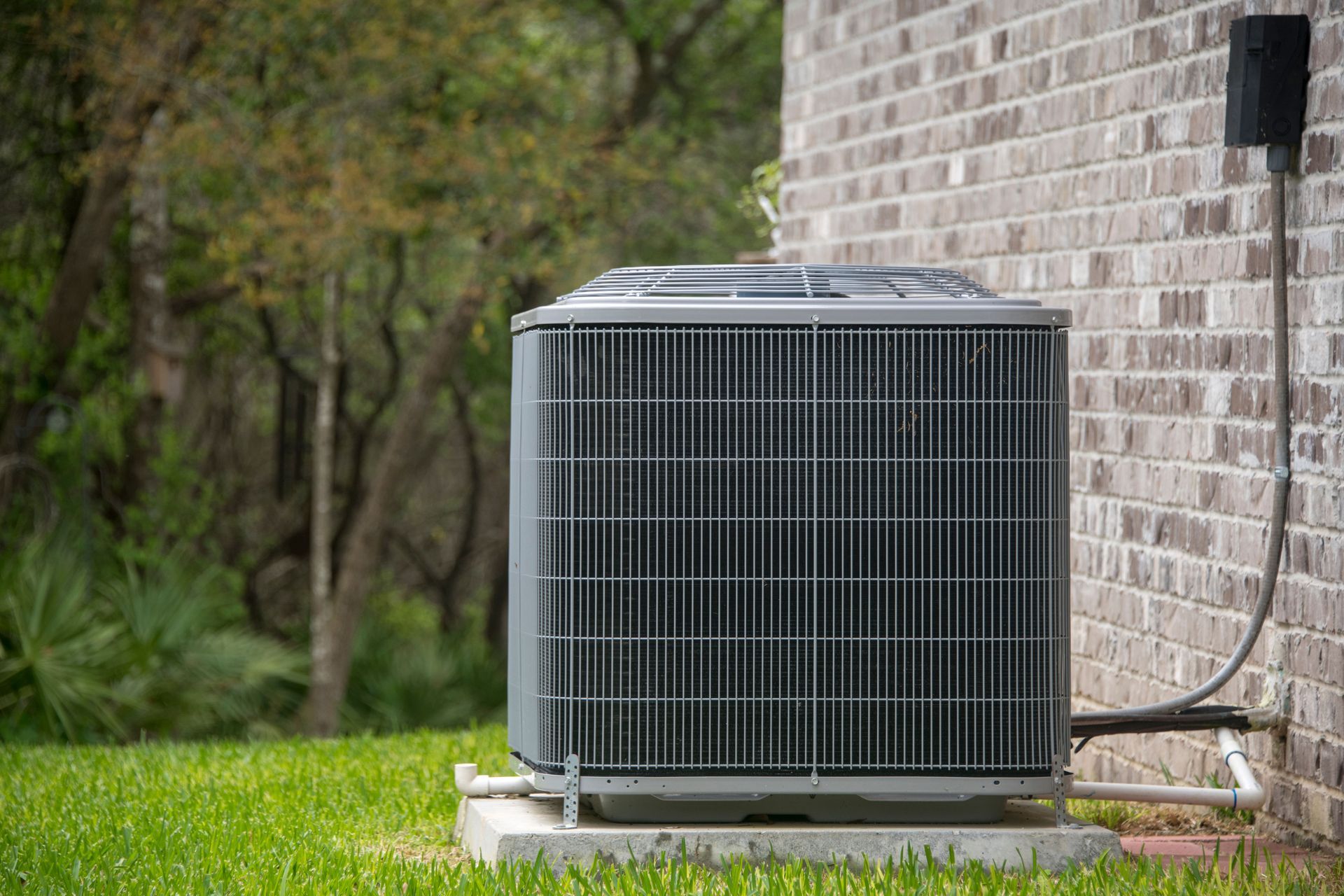
When you're looking at a permanent solution, the big debate usually lands on central air versus ductless mini-splits. Central air is fantastic if you already have the ductwork in place because it provides that seamless, invisible cooling throughout every room in the house. It’s the gold standard for whole-home comfort, but the initial AC installations can be a bit of an undertaking if your home is older and lacks existing vents. On the flip side, ductless mini-splits are gaining a ton of traction because they allow for "zoning." You can keep the living room icy cold while leaving the guest room at a more energy-efficient temperature. Since these units don't rely on ducts, they avoid the energy loss associated with leaky ductwork. Both options are solid, but your choice really depends on your home’s layout and how much of a renovation you’re willing to handle during the process.
Navigating Window and Portable Unit Options
Sometimes a full-scale renovation just isn't in the cards, and that’s where window or portable units save the day. They are the go-to for renters or for that one stubborn room that the central air just can’t seem to reach. According to Consumer Reports, a small window air conditioners capacity ranges from 5,000 to 6,500 Btu/hr., and these units cool roughly 100 to 250 square feet. It’s a great way to get immediate relief without the commitment of major AC installations. Portable units are even more flexible since you can wheel them from the home office to the bedroom, though they do need to vent out of a window using a flexible hose. While they aren't as efficient as a permanent system and can take up a bit of floor space, they're unbeatable for convenience and lower upfront costs. Many modern window units also feature designs that allow the internal components to slide out for easier cleaning and maintenance, which helps keep them running smoothly for several seasons.
Understanding Energy Efficiency and SEER Ratings
If you’ve been shopping around, you’ve likely seen the term SEER mentioned a dozen times. It stands for Seasonal Energy Efficiency Ratio, and it’s basically a grade for how much cooling you get for every dollar of electricity you spend. The higher the number, the more efficient the unit. While a high-SEER unit might cost a bit more during the initial AC installations, the savings usually balance out over a few summers. It’s also worth looking for labels that indicate the unit meets federal guidelines for efficiency and environmental performance. Beyond just the SEER rating, you should consider units with variable-speed blowers that can adjust their output to match the specific cooling load of the day. Investing in a smarter, more efficient system isn't just better for the planet; it’s a much kinder move for your long-term household budget, especially as energy prices fluctuate throughout the year.
Evaluating Modern Features and Smart Technology
We’ve come a long way from the days of just "On" and "Off" switches. Modern systems now come with all sorts of bells and whistles that make life a lot easier and more comfortable. Smart thermostats are a game changer, allowing you to crank up the air while you're driving home from work so the house is perfect the moment you walk in. Some systems even have variable-speed compressors, which act like a dimmer switch rather than a standard light switch—they adjust their speed to maintain a steady temperature rather than blasting full-bore and then shutting off. This reduces the wear and tear on the electrical components and provides much more consistent humidity control. When you're planning AC installations, it’s worth asking about these tech upgrades because they contribute significantly to both your daily comfort and your monthly savings. You can even find units with built-in air purifiers or specialized lamps that help clean the air as it circulates through the system.
Prioritizing Professional Maintenance and Longevity
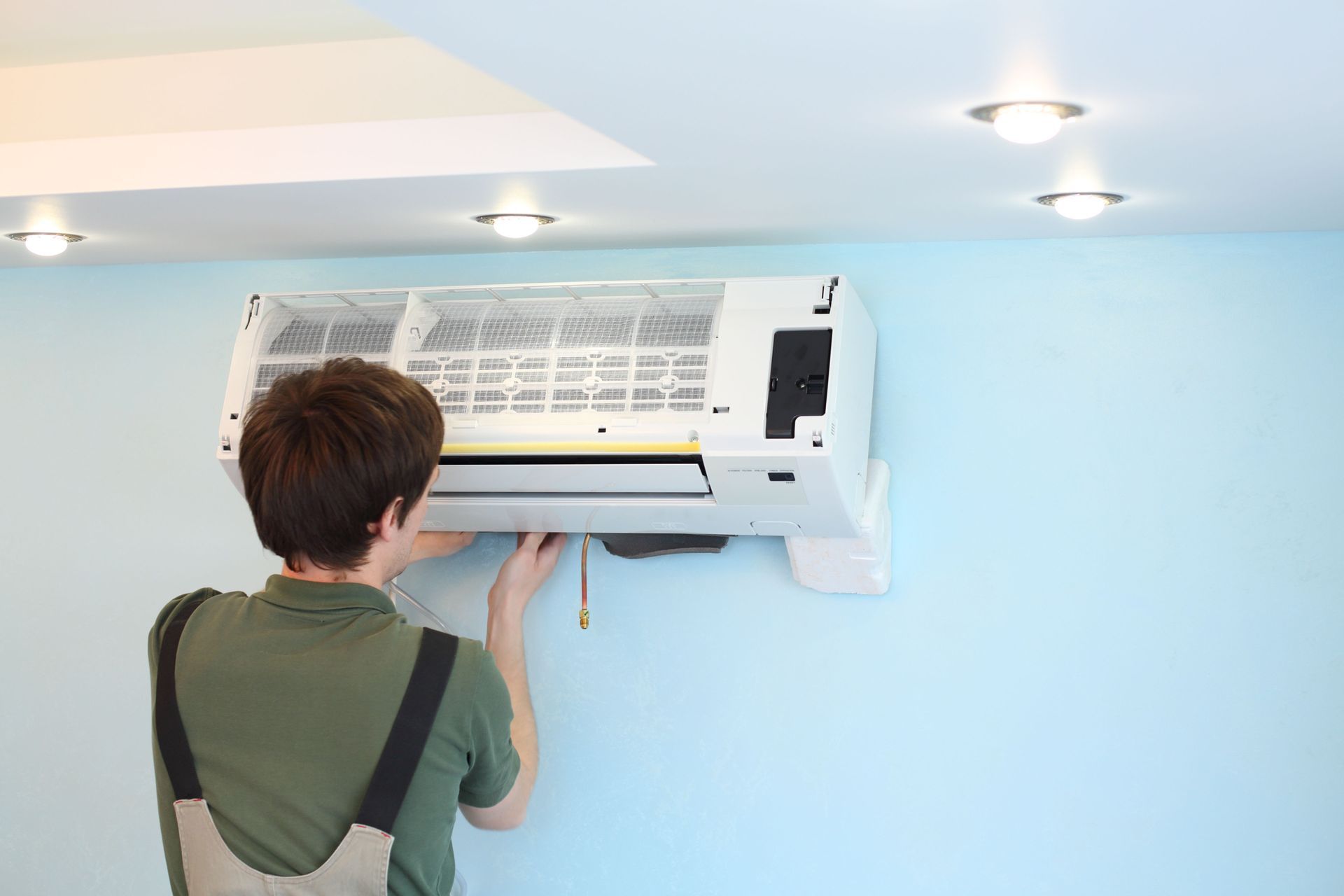
Even the most expensive air conditioner in the world won't do you much good if it isn't taken care of properly. Think of it like a car; you wouldn't drive for years without a tune-up, and you shouldn't run your AC for three seasons without a check-up. Keeping the filters clean is something you can do yourself every month or two, but having a pro come in once a year to check the refrigerant levels and clean the coils is vital for peak performance. Proper maintenance starts the very first day with high-quality AC installations. If the unit is leveled correctly and the lines are sealed tight from the jump, you’re much less likely to deal with those annoying and expensive mid-July breakdowns. A technician can also spot minor issues, like a worn-out capacitor or a slightly clogged drain line, before they turn into major repairs that could leave you sweating in a hot house for several days.
Budgeting for Your Total Cooling Investment
At the end of the day, your decision usually comes down to the balance between what you can afford now and what you want to spend later. A cheaper window unit is easy on the wallet today, but a more robust central or ductless system adds value to your home and costs less to run over the next decade. Don't forget to look into local rebates or tax credits, as many utility companies offer incentives for homeowners who opt for high-efficiency systems that reduce the strain on the electrical grid. You should also consider the warranty terms, as a longer manufacturer warranty can provide significant peace of mind for the first several years of the system's life. Taking the time to weigh these costs ensures that you end up with a system that fits your lifestyle without breaking the bank.
Finding the perfect cooling system for your home doesn't have to be a stressful experience if you take the time to evaluate your specific square footage and climate needs. Whether you decide on a high-tech central unit or a flexible ductless system, the quality of your AC installations will ultimately dictate how long your equipment lasts and how much you save on your energy bills each month. By focusing on efficiency ratings and modern smart features, you can turn your home into a sanctuary that remains comfortable regardless of the temperature outside. Once you have made your choice and finalized the setup, staying consistent with annual check-ups will keep everything running at peak performance for years to come. For expert assistance with your cooling needs, contact Service King LLC.