May 22, 2026
Heating and cooling technology has continued evolving as homeowners search for more efficient and flexible ways to maintain indoor comfort. Traditional HVAC systems still remain common, but many homeowners are turning to ductless systems for improved efficiency, easier zoning, and more personalized temperature control.
Whether you are upgrading an older home, finishing an addition, or improving comfort in specific rooms, ductless systems have become an increasingly popular solution.
According to Grand View Research, ductless mini-split systems dominated the market and accounted for 49% of revenue share in 2024, due to their flexibility, energy efficiency, and ease of installation. Before scheduling a mini-split installation, homeowners should understand how these systems work, what benefits they provide, and what factors can influence long-term performance. Learning the basics ahead of time can help homeowners make more informed decisions about their indoor comfort needs.
Understanding How Mini-Split Systems Work
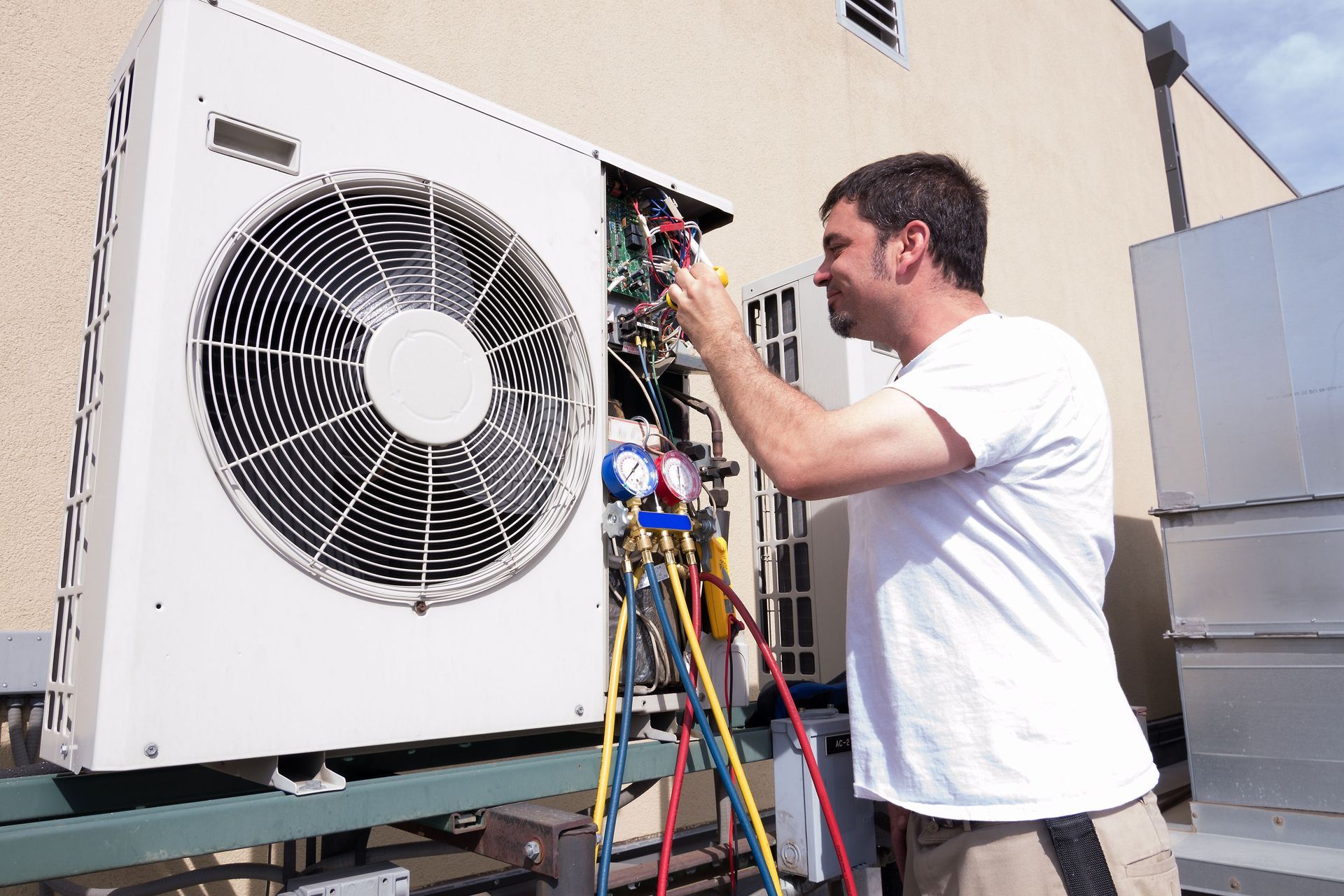
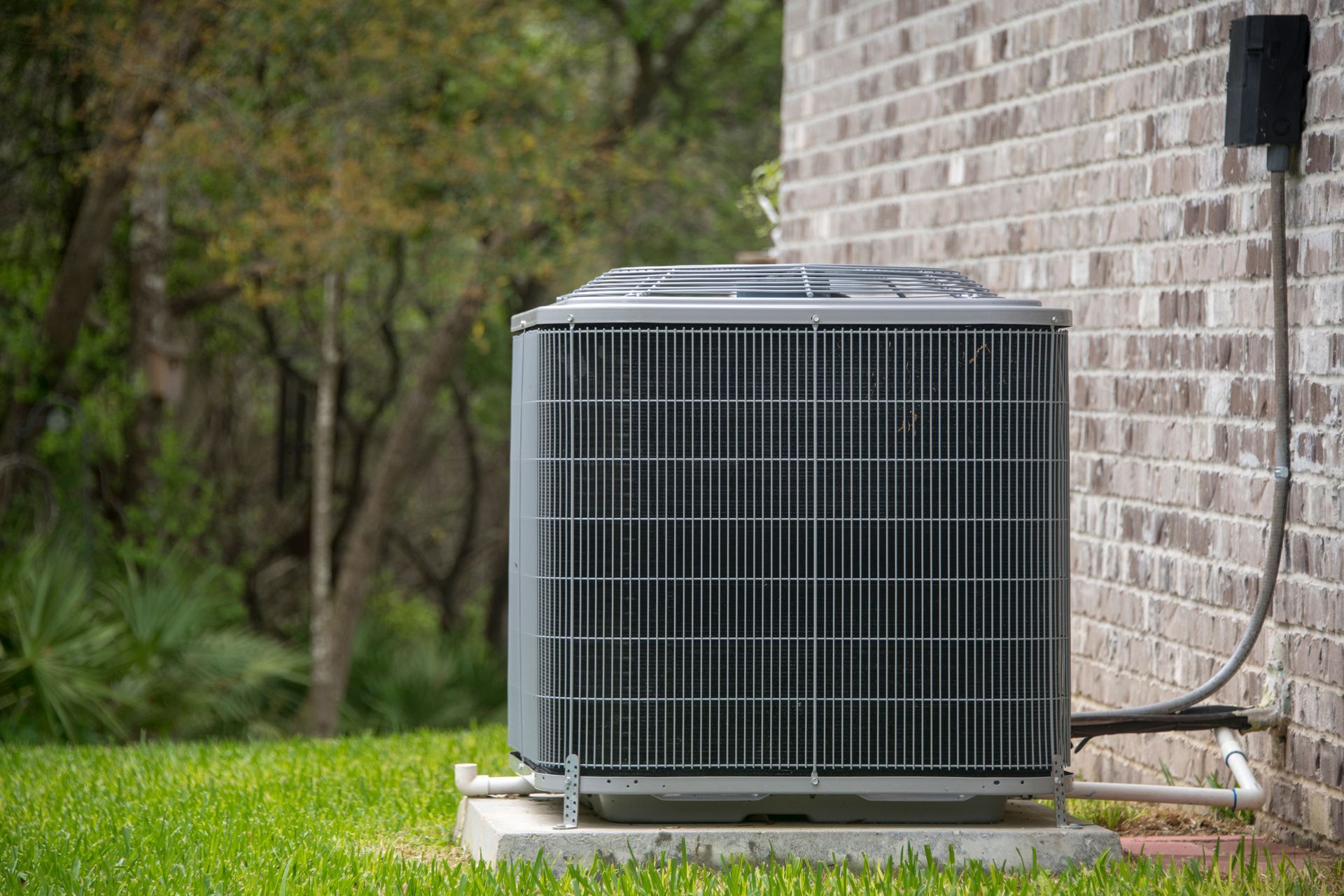
Ductless mini-split systems use an outdoor condenser connected to one or more indoor air handling units. Instead of relying on ductwork to distribute conditioned air throughout the home, each indoor unit delivers heating or cooling directly into a specific room or zone. This setup allows homeowners to control temperatures independently in different parts of the home.
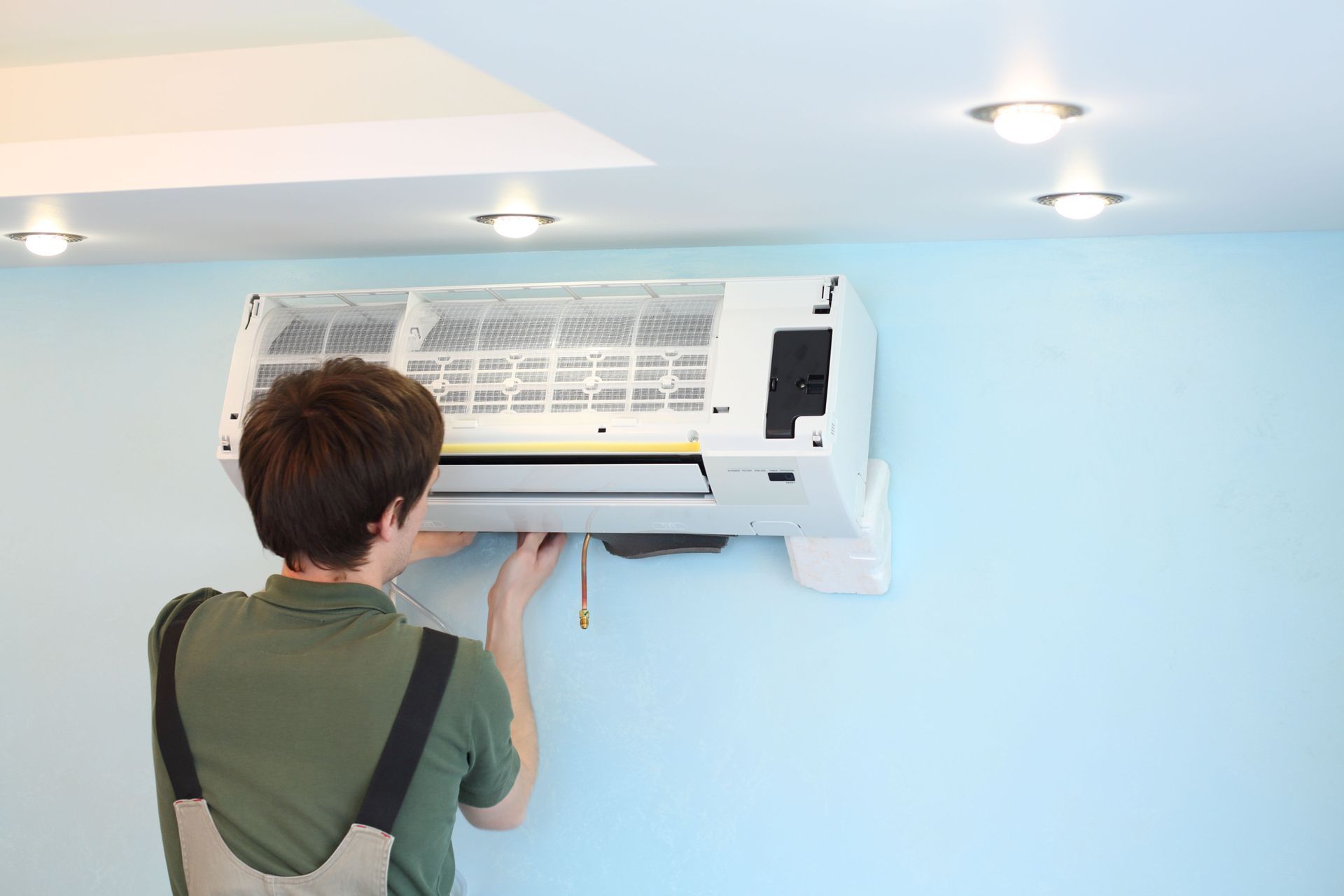
During a mini-split installation, technicians typically mount the indoor unit on a wall or ceiling while connecting refrigerant lines to the outdoor system. Because the setup does not require extensive ductwork, installation can often be less invasive than replacing a full central HVAC system. The result is a flexible system designed to deliver targeted comfort where it is needed most.
Exploring the Benefits of Zoned Comfort
One of the biggest advantages of ductless systems is the ability to create separate temperature zones throughout the home. Traditional systems often heat or cool the entire property evenly, even when certain rooms are rarely used. This can lead to wasted energy and inconsistent comfort levels.
With a properly planned mini-split installation, homeowners can customize temperatures in different rooms based on individual preferences and daily usage. Bedrooms, offices, garages, sunrooms, and additions can all operate independently from one another. This level of control can improve comfort while helping reduce unnecessary energy consumption in unused areas.
Improving Energy Efficiency Throughout the Home
Energy efficiency remains one of the primary reasons homeowners choose ductless systems. Traditional ductwork can lose conditioned air through leaks, poor insulation, or inefficient layouts. These energy losses may force HVAC systems to work harder to maintain desired temperatures throughout the property.
A professionally completed mini-split installation eliminates many of the energy losses associated with ductwork. Because conditioned air is delivered directly into individual rooms, the system can often operate more efficiently while maintaining consistent indoor temperatures. Many homeowners appreciate the potential for improved efficiency and lower monthly utility costs over time.
Determining Which Homes Benefit Most
Ductless systems can work well in a wide variety of homes, but they are especially beneficial in situations where traditional ductwork is impractical or expensive to install. Older homes without existing ducts, converted garages, home additions, finished basements, and detached spaces are all common candidates for ductless systems.
Homeowners planning a mini-split installation often choose these systems because they provide flexibility without requiring major structural modifications. Instead of tearing into walls or ceilings to install ducts, technicians can usually complete the installation with minimal disruption. This makes ductless systems appealing for both renovations and new comfort upgrades.
Choosing the Proper System Size
Proper system sizing is one of the most important parts of installing any HVAC equipment. A system that is too small may struggle to maintain comfortable temperatures, while an oversized system may cycle on and off too frequently. Both situations can reduce efficiency and place unnecessary wear on equipment.
Before completing a mini-split installation, HVAC professionals calculate the appropriate system size based on room dimensions, insulation levels, ceiling height, windows, and overall heating and cooling demands. Selecting the correct size helps the system operate more efficiently while improving long-term performance and comfort.
Understanding Indoor Unit Placement
The placement of indoor air handling units can significantly affect system performance and comfort. Units should be positioned where airflow can circulate properly throughout the room while avoiding obstructions such as furniture or large fixtures. Placement also affects how evenly temperatures are maintained throughout the space.
Experienced technicians carefully evaluate room layouts during a mini-split installation to determine the most effective placement for each indoor unit. Proper positioning helps maximize airflow, maintain comfort, and improve efficiency. Homeowners should also discuss appearance preferences and room usage to ensure the system fits both functional and aesthetic needs.
Preparing for Installation Day
Many homeowners are surprised to learn that ductless systems often require less construction work than traditional HVAC installations. However, there are still several steps involved in the process. Technicians need access to indoor installation areas, outdoor condenser locations, and pathways for refrigerant lines and electrical connections.
Before a mini-split installation begins, homeowners may need to clear work areas and discuss system placement with the installation team. Technicians will typically drill a small opening for line connections and secure both indoor and outdoor components. Most installations can be completed relatively efficiently compared to larger HVAC replacement projects.
Maintaining Long-Term System Performance
Like any HVAC equipment, ductless systems require regular maintenance to continue operating efficiently. Dirty filters, blocked airflow, refrigerant issues, and neglected components can reduce performance over time. Without routine maintenance, the system may lose efficiency and experience unnecessary wear.
After a mini-split installation is completed, homeowners should follow maintenance recommendations provided by their HVAC professional. Cleaning filters regularly, scheduling inspections, and keeping outdoor components free from debris all help support reliable operation. Consistent maintenance can also help extend the lifespan of the equipment.
Considering Noise Levels and Indoor Comfort
Many homeowners appreciate the quieter operation associated with ductless systems. Traditional HVAC systems can sometimes create noticeable noise through ductwork, vents, or older equipment components. Ductless systems are often designed to operate more quietly while maintaining steady airflow throughout the room.
During a mini-split installation, technicians can explain expected sound levels and operating features for the selected system. Quiet operation can make a noticeable difference in bedrooms, offices, nurseries, and other spaces where noise reduction is important. Improved comfort often involves not only temperature control but also maintaining a more peaceful indoor environment.
Planning for Future Heating and Cooling Needs
Homeowners should think beyond immediate comfort needs when selecting HVAC equipment. Future renovations, changing household sizes, remote work setups, and additional living spaces can all affect heating and cooling demands over time. Installing a flexible system now may help simplify future upgrades later.
A well-designed mini-split installation allows homeowners to adapt more easily as their comfort needs change. Additional indoor units can sometimes be added later, depending on the system design and available capacity. This flexibility makes ductless systems appealing for homeowners who expect their space or usage patterns to evolve in the future.
Choosing the right heating and cooling system can have a major impact on your home’s comfort, efficiency, and long-term energy usage. Whether you are upgrading an older property, improving a specific room, or looking for a more flexible HVAC solution, Service King LLC can help guide you through the
mini-split installation process. Contact our team today to learn more about ductless systems and find the right solution for your home.